
Ledger.com/Start® | Getting started®™ — Ledger Support
Start with Ledger.com/start to prepare your hardware wallet, organize digital assets, monitor accounts, and manage supported crypto transactions.
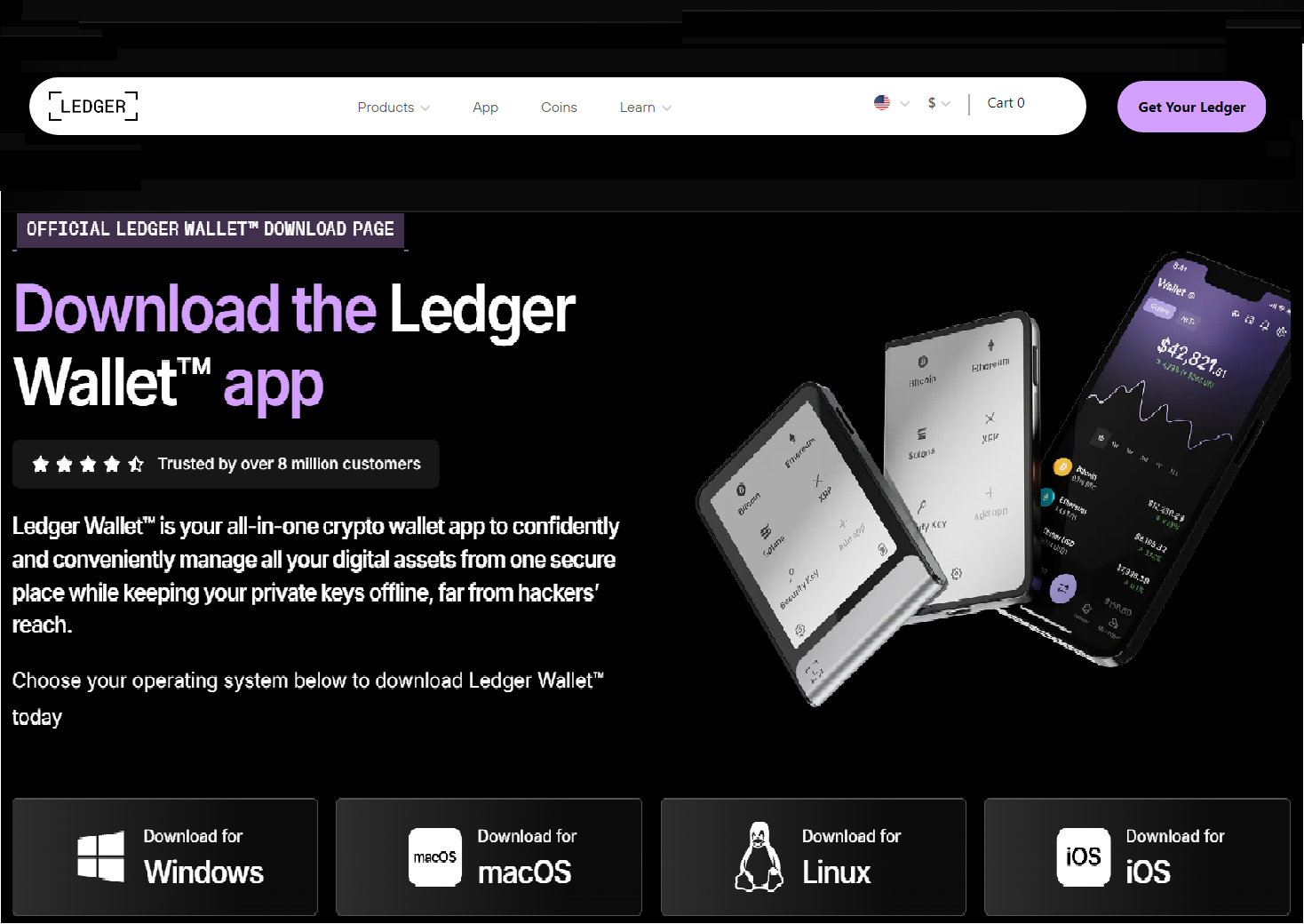
Ledger.com/start: Getting Started With Your Ledger Wallet
For new hardware-wallet users, the first setup can raise questions about software, accounts, backups, and transactions. Ledger.com/start provides a starting point for users preparing a Ledger device and learning the basics of secure crypto management.
Taking time to understand each stage can make the transition from setup to everyday wallet use much smoother.
Check the Source Before You Begin
The first step is verifying the website you are using. Crypto scams can imitate legitimate brands with similar-looking pages and download links.
Instead of trusting a link received through an unexpected message, navigate to the official Ledger website directly and check the address before continuing.
Follow the Device Instructions
Connect your Ledger hardware wallet and follow the setup instructions applicable to your device. The process may include preparing the device, configuring a wallet, and connecting compatible software.
When the hardware wallet displays information that requires confirmation, review it carefully.
The physical device should be treated as an important verification point for sensitive wallet operations.
Secure Your Recovery Backup
During the wallet setup process, you may be instructed to create recovery information. This backup is highly sensitive and should be protected carefully.
Write it down according to the instructions and store it in a secure location. Avoid saving it as a screenshot, uploading it to cloud storage, or sending it through a messaging service.
Never reveal it to someone claiming to be customer support.
Explore Your Wallet
Once your device is configured, use the compatible Ledger wallet software to explore supported accounts and assets.
Depending on the cryptocurrency, you can review balances, receive funds, prepare transfers, and monitor transaction activity.
If you are new to hardware wallets, consider learning the interface before making a large transaction.
Review Before Sending
Crypto transactions should always be checked before confirmation.
Verify the recipient address, amount, and relevant network information. Then compare the details displayed on the Ledger hardware wallet with your intended transaction.
If the information does not match, do not approve it.
Stay Alert Online
Wallet security also depends on how you respond to websites and messages. Be cautious with urgent requests claiming that your account has been locked, suspended, or compromised.
Do not enter recovery information into websites reached through suspicious links. When you need help, access official Ledger resources independently.
Frequently Asked Questions
Is Ledger.com/start useful for beginners?
Yes. It provides a starting point for users setting up a Ledger hardware wallet and learning the basic workflow.
Where should recovery information be stored?
Keep it private and protected in a secure location. Avoid exposing it through online accounts or messaging services.
Should I check the hardware wallet before approving a transfer?
Yes. Carefully review the important transaction details shown on the device.
Can I download wallet software from any website?
Use trusted official sources rather than unknown third-party websites.
How can I recognize a suspicious support request?
Be cautious of unsolicited messages, urgent instructions, unfamiliar links, and requests for confidential recovery information.
Updated about 8 hours ago