
Ledger.com/Start® | Getting started®™ — Ledger Support
Start with Ledger.com/start to prepare your hardware wallet, organize digital assets, monitor accounts, and manage supported crypto transactions.
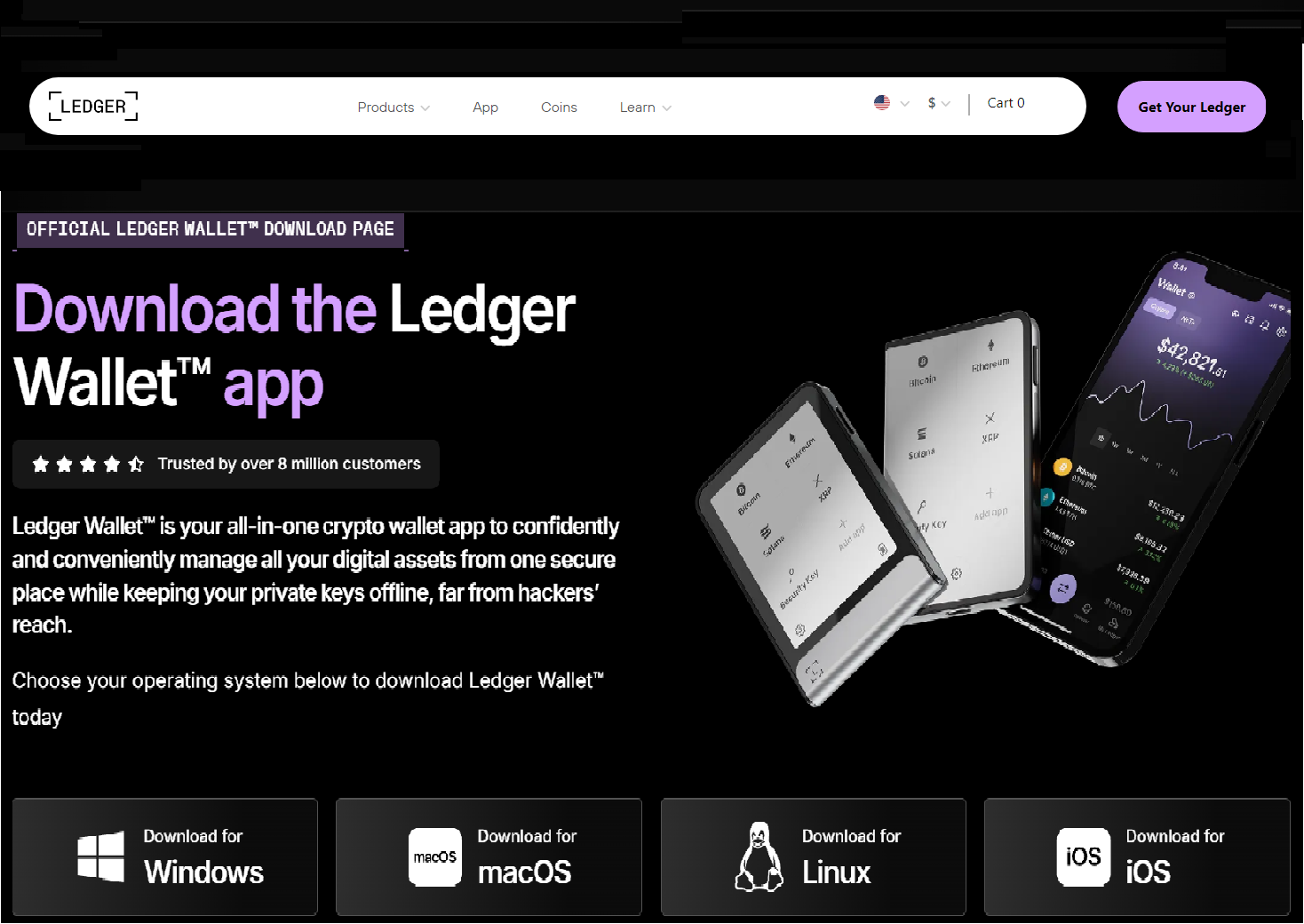
Ledger.com/start: Understand Your Wallet From the Ground Up
Learning how a hardware wallet works can make the setup experience much easier for new users. Instead of treating setup as a quick installation, it helps to understand the relationship between the device, wallet software, accounts, transactions, and security practices. Ledger.com/start offers a starting point for exploring these fundamentals.
Begin With Reliable Information
The first step is identifying a trustworthy source for setup instructions. When searching online, be careful with advertisements, copied tutorials, and unofficial pages that may resemble legitimate wallet resources.
Check the website address before downloading software or entering any information. When in doubt, navigate to a trusted source independently instead of following a link from an unknown message.
Understand the Setup Process
Hardware wallet configuration typically involves connecting the device and following the instructions provided by the relevant wallet software and hardware.
Read prompts carefully and avoid clicking through screens without understanding them.
If the device displays information that does not match your expectations, pause and investigate before approving anything.
Protect Your Recovery Information
Recovery information should be considered private wallet information.
Never disclose it to a person claiming to be technical support, a website requesting verification, or an online contact promising to help recover funds.
Do not upload photographs or copies of sensitive recovery details to online services. Protect them in a way that limits unauthorized access.
Explore Before Managing Funds
Once your wallet is configured, spend some time learning the interface. Look at how accounts are represented and how balances and transaction histories are organized.
This is also a good time to become familiar with the difference between assets and networks.
Understanding these details before transferring funds can reduce unnecessary confusion.
Learn the Receiving Workflow
Receiving crypto starts with selecting the appropriate account and obtaining its receiving address.
Check the address and network carefully before sharing them with a sender. If the transfer involves a significant amount, take additional time to confirm the details.
Learn the Sending Workflow
Sending funds should involve several checks before final approval.
Confirm the destination address, asset, amount, and network. Then review the transaction information presented for confirmation.
If the information does not match your intended transaction, do not approve it until you understand what changed.
Recognize Common Online Risks
Wallet users can encounter phishing websites, fake support profiles, misleading advertisements, and fraudulent messages.
Common warning signs include unexpected contact, pressure to act quickly, requests for confidential information, and suspicious download instructions.
A cautious approach is especially important when a message concerns access to your funds.
Maintain Good Wallet Hygiene
Good wallet management includes more than transaction checks. Use trusted software sources, protect physical access to the hardware device, keep recovery information private, and stay cautious when connecting the wallet to unfamiliar services.
Review your habits occasionally to make sure convenience has not replaced basic security checks.
Build Knowledge Over Time
You do not need to understand every aspect of cryptocurrency before using a hardware wallet. Start with the fundamentals and expand your knowledge as your needs grow.
Understanding how your own wallet operates is a practical foundation for making informed decisions when managing digital assets.
FAQs
Why should I learn the wallet interface before transferring funds?
Familiarity with the interface can help you recognize accounts, balances, and transaction information more confidently.
Can I trust a website because it uses familiar wallet branding?
No. Branding alone does not prove that a website is authentic. Check the source and domain carefully.
What should I do if transaction information changes unexpectedly?
Pause the transaction and investigate before approving it.
Are fake support accounts a security concern?
Yes. Impersonators may attempt to obtain confidential information or persuade users to install unsafe software.
How can I improve my wallet knowledge?
Start with setup, account management, receiving, sending, and basic security practices, then learn additional features as needed.
Updated about 8 hours ago